

What Makes Joints Supple?
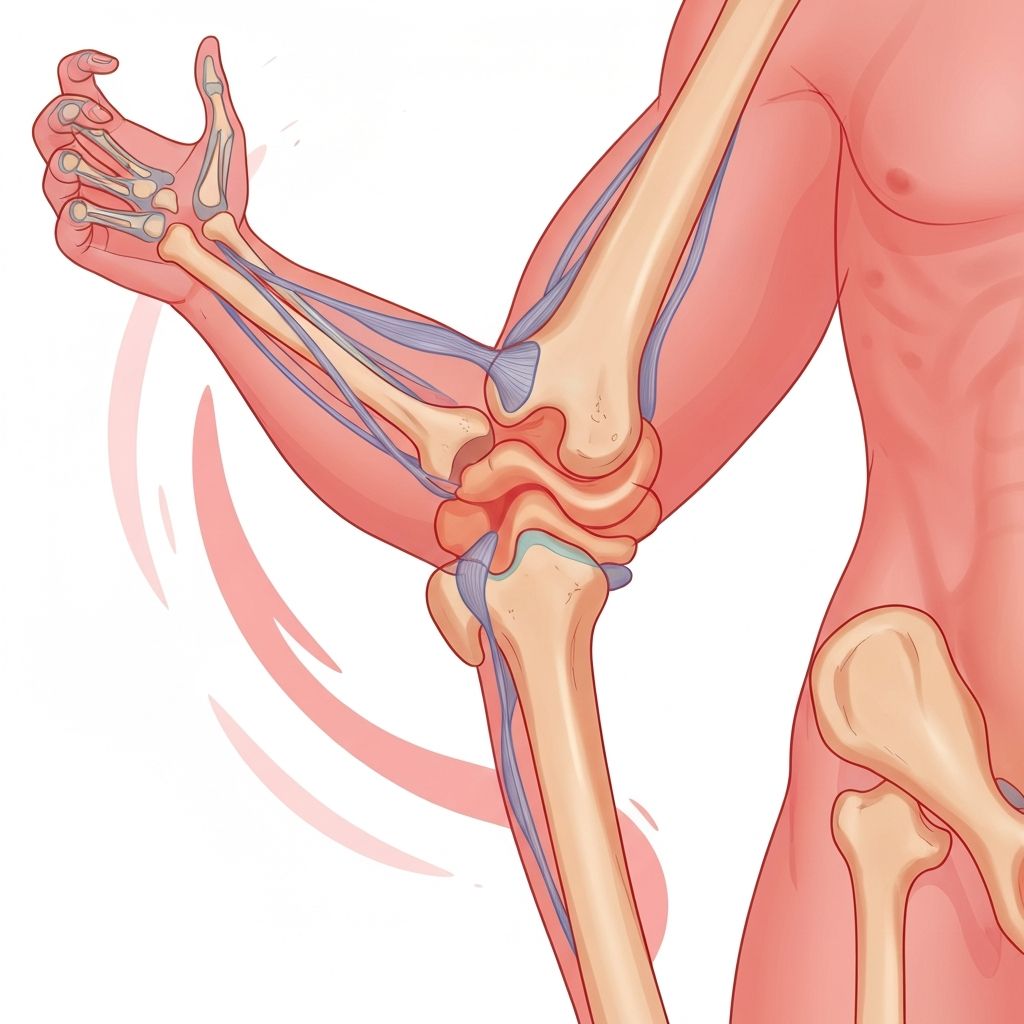
Joint suppleness refers to the ability of joints to move through their full range of motion with ease and comfort. This flexibility depends on several interconnected factors: the health of cartilage that cushions the joints, the strength and elasticity of ligaments and tendons, adequate synovial fluid for lubrication, and the overall tone and balance of surrounding muscles.
Maintaining joint flexibility is not merely about physical comfort—it directly impacts your ability to perform daily activities, maintain an active lifestyle, and support long-term musculoskeletal health. Understanding these principles empowers you to make informed decisions about your wellness routine.
Key Botanical Allies for Joint Health
An overview of potent plant-based ingredients traditionally valued for their role in supporting joint comfort and function, detailing their natural origins.
Turmeric Extract
An ancient spice revered for its properties. Traditional use in supporting overall well-being and wellness practices across multiple cultures.

Boswellia Serrata
Derived from the Boswellia tree, this resin has been used in traditional practices for generations in supporting musculoskeletal wellness.
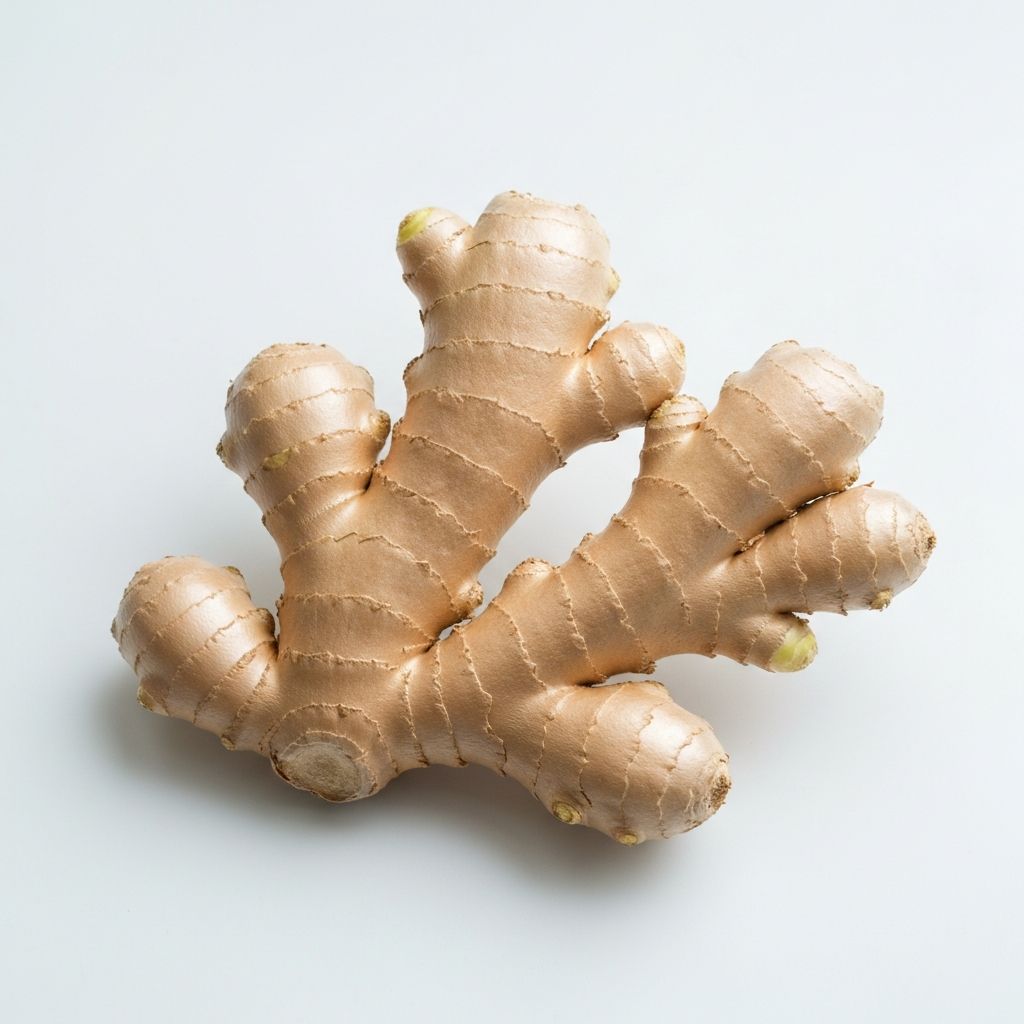
Ginger Root
A warming spice with a long history in traditional wellness practices, ginger is celebrated for its role in supporting overall comfort and vitality.
Nourishing Your Framework
A balanced diet forms the foundation of joint health. Nutrients like collagen, glucosamine, and various minerals play crucial roles in maintaining cartilage integrity and connective tissue strength. The body requires consistent micronutrient support to sustain the structural components that enable smooth, pain-free movement.
Antioxidant-rich foods, omega-3 fatty acids from plant sources, and minerals like sulfur and magnesium all contribute to the body's natural maintenance systems. While these nutrients don't replace personalized medical guidance, understanding their roles in musculoskeletal support helps you make informed dietary choices aligned with your wellness goals.


The Role of Movement in Daily Life
Regular, gentle physical activity is essential for joint health. Movement lubricates joints through the distribution of synovial fluid, maintains muscle strength around joints, and promotes flexibility. Activities like walking, stretching, yoga, and swimming provide excellent low-impact options for supporting joint mobility.
Consistency matters more than intensity. Even daily stretching routines, brief walks, or gentle exercises can significantly contribute to maintaining and improving your range of motion. The key is finding sustainable activities that you enjoy and can incorporate into your regular routine.
Decoding Joint Anatomy
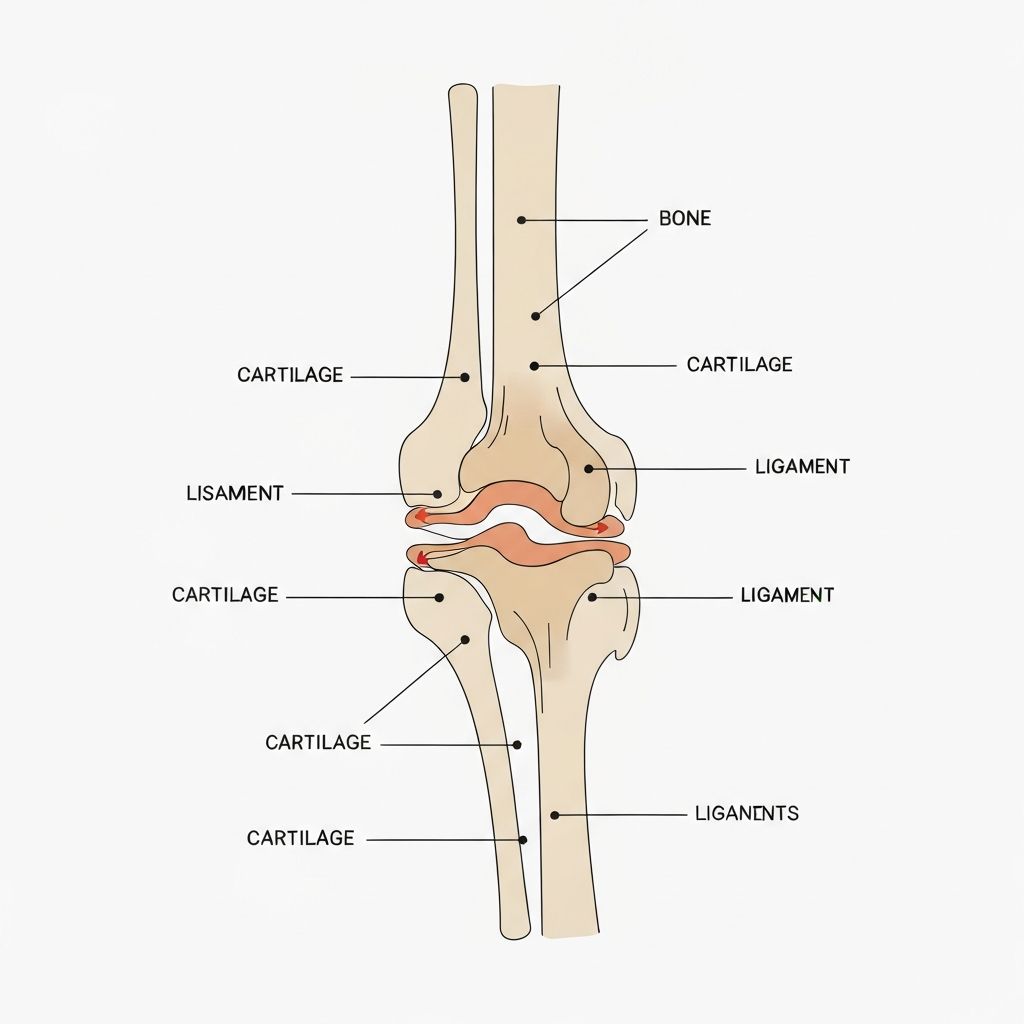
A simplified explanation of how joints work, including cartilage, ligaments, and synovial fluid, presented through easy-to-understand diagrams.
Key Components Explained
Cartilage: A smooth, rubber-like tissue that covers the ends of bones, allowing them to glide over one another with minimal friction.
Ligaments: Strong connective tissues that hold bones together and stabilize the joint, limiting excessive movement.
Synovial Fluid: A viscous liquid secreted within the joint that provides lubrication and nourishment to cartilage, enabling smooth movement.
Muscles and Tendons: Muscles contract to move joints, while tendons attach muscles to bones, transmitting the force of muscle contractions.
Traditional Wisdom & Modern Insights
Many cultures have developed sophisticated systems for supporting musculoskeletal health using natural ingredients. These traditional approaches are now being examined through modern scientific methods, with researchers documenting the compositions and potential mechanisms of action of various botanical compounds.
Scientific research continues to explore how herbal extracts and traditional ingredients interact with the body's natural processes. This convergence of ancient wisdom and contemporary research provides a rich knowledge base for understanding natural approaches to joint health, even as we acknowledge that individual responses vary.
Cultivating Active Living
Practical tips for incorporating flexibility-enhancing habits into everyday routines, emphasizing gradual progress and consistency.

Building a Sustainable Routine
- Daily Stretching: Set aside 10-15 minutes each morning or evening for gentle stretching, focusing on major joint areas.
- Walking: Incorporate regular walking into your routine—even a 20-minute walk provides significant benefits for joint mobility.
- Yoga or Tai Chi: These practices combine movement, flexibility work, and mindfulness, supporting holistic wellness.
- Strength Work: Gentle resistance exercises support the muscles that stabilize and protect your joints.
Understanding Limitations and Context
Educational Content Only: All information presented on this site is for educational and informational purposes only. It is not intended as medical advice, diagnosis, or treatment for any specific condition.
Individual Variation: Approaches to wellness vary greatly among individuals based on genetics, lifestyle, health status, and personal circumstances. What works for one person may not be appropriate for another.
Not a Substitute for Professional Advice: This content does not replace consultation with qualified healthcare professionals. If you have specific health concerns or before making significant changes to your health regimen, consult with a doctor or appropriate specialist.
No Promises or Guarantees: We do not promise or guarantee specific health outcomes. Individual results vary, and this site is not responsible for personal health decisions made based on its content.
Continue Your Exploration
Discover detailed information about specific natural compounds and their traditional applications in supporting joint health.
Explore Ingredients